
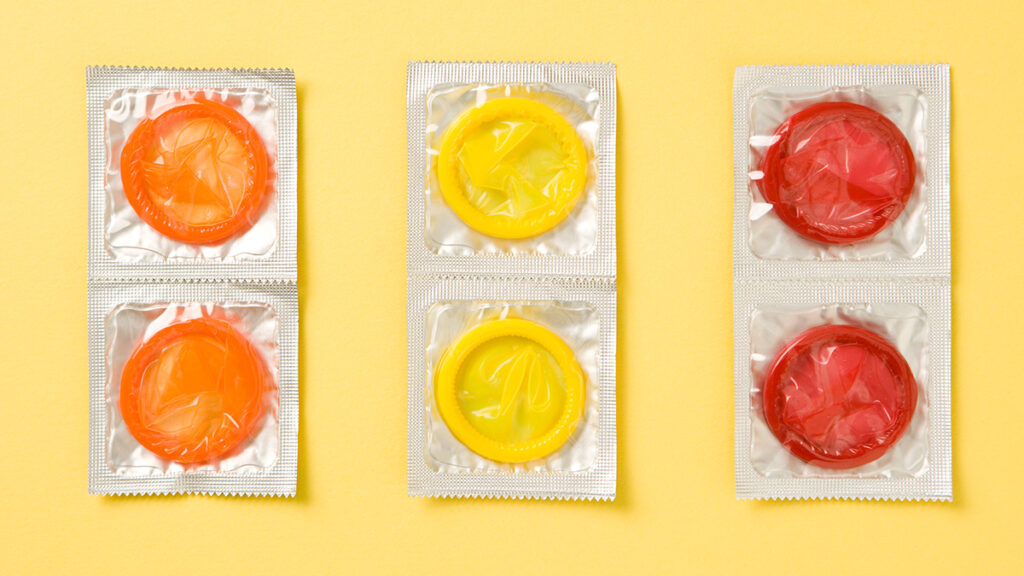
When it comes to sexual health, one of the most common questions people ask is: “What condom size and type should I use?” It’s an important question, because the wrong fit can lead to discomfort, reduced pleasure, or even a condom breaking or slipping off. Knowing your size and the different condom options available will help you stay safe, comfortable, and confident in your sexual experiences.
Why Condom Size Matters
Condoms are designed to protect against both pregnancy and sexually transmitted infections (STIs and STDs). However, their effectiveness depends heavily on proper fit. A condom that is too small may feel overly tight and is more likely to break. On the other hand, a condom that is too large may slip off, creating unnecessary risk.
This is where understanding condom sizes becomes essential. Just like clothing, condoms come in a range of fits to accommodate different body types. Most brands offer standard, snug, and large sizes, and many provide a condom size chart so you can easily find your best match.
How to Measure for the Right Fit
Finding the right condom size doesn’t need to be complicated. To get started:
- Measure your girth (circumference): Use a soft tape measure around the thickest part of the penis when fully erect. This is the most important measurement for condom sizing.
- Measure your length: While length matters less than girth, it can help you feel more comfortable and secure.
- Match your measurements to a condom size chart: Most charts provide ranges for snug, standard, and large sizes, making it easy to see where you fall.
If you’re between sizes, experiment with both snug and standard options to see which feels best.
Types of Condoms to Consider
In addition to size, the type of condom plays a role in both protection and pleasure. Common options include:
- Latex condoms: The most widely available and affordable option. They offer excellent protection but may cause irritation for people with latex allergies.
- Non-latex condoms: Made from materials like polyurethane or polyisoprene, these are ideal for those with sensitivities.
- Textured or ribbed condoms: Designed to enhance sensation for one or both partners.
- Extra-lubricated condoms: Especially helpful for longer sessions or for condoms and anal sex, since added lubrication reduces friction and lowers the risk of breakage.
- Ultra-thin condoms: Provide a more natural feeling while still offering reliable protection.
The best condom for you will balance safety, comfort, and pleasure.
Condoms and Anal Sex
When it comes to anal sex, condom choice is especially important. The rectal lining is more delicate than vaginal tissue, making it more susceptible to small tears and, therefore, to STIs. For this reason:
- Always use a condom during anal sex to prevent STIs and STDs.
- Choose condoms that are thicker or specifically labeled for anal use.
- Pair with plenty of water-based or silicone-based lubricant to reduce friction.
Extra-lubricated condoms are a smart choice here, but you can also apply additional lube yourself for added safety and comfort.
Safe Sex Practices Beyond Condoms
Condoms are one of the most effective and accessible methods of protection, but they work best as part of a larger approach to safe sex practices. This includes:
- Regular STI testing for you and your partners.
- Open communication about sexual history and boundaries.
- Using water-based or silicone-based lubricants to reduce risk of breakage.
- Storing condoms in a cool, dry place to avoid damage.
Taking these steps ensures not just physical safety but also peace of mind, which is a vital part of sexual wellness.
Choosing the right condom size and type isn’t just about comfort—it’s about protecting your sexual health and enhancing pleasure. By using a condom size chart to find your best fit and experimenting with different condom types, you can discover what works best for you and your partner. Whether it’s vaginal or anal sex, condoms remain one of the most reliable tools to prevent STIs and STDs and ensure safe, satisfying intimacy.
Further Reading
For more information on condom sizes, sexual wellness, and safe sex practices, check out these reputable resources:
- Planned Parenthood – How to Use a Condom
- American Sexual Health Association (ASHA)
- Scarleteen – Sex Ed for the Real World
- CDC – Condom Effectiveness and Sexual Health
These organizations offer accurate, science-based guidance to support your sexual health—and if you have questions or experiences to share, feel free to leave a comment below to keep the conversation going.